
Sacro Occipital Technique
Sacro Occipital Technique (SOT) is a gentle, systems-based chiropractic approach that focuses on restoring balance between the spine, pelvis, and nervous system. By assessing patterns of structural stress and neurological adaptation, SOT uses precise, low-force corrections to support the body’s natural ability to self-regulate, heal, and maintain long-term stability.
Clinic Address
Make an Appointment
Reserve an appointment with us in just minutes.
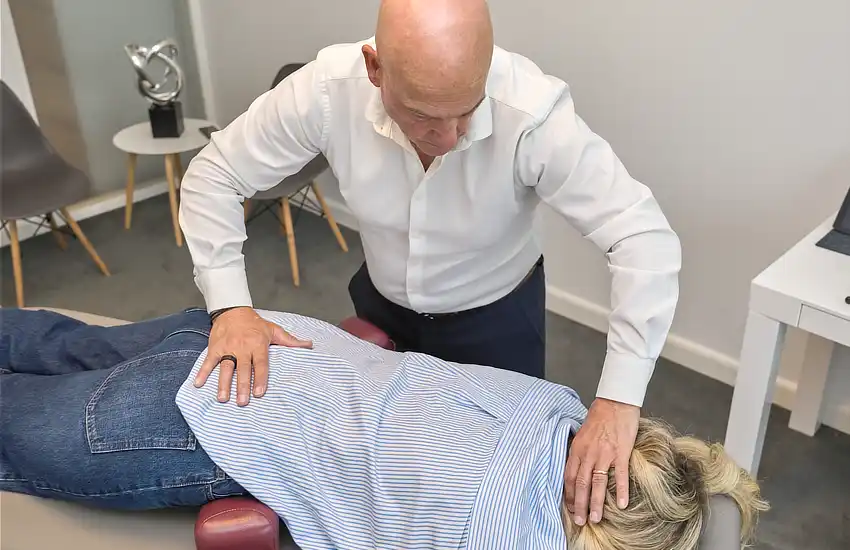
Musculoskeletal Assessment & Functional Diagnosis
Sacro Occipital Technique incorporates detailed assessment protocols, including kinesiology and manual muscle testing, to identify indicators of neural, emotional, and skeletal dysfunction. Changes in muscle response are interpreted as reflections of stress patterns within the nervous system and biomechanical structures. These findings help guide targeted adjustments designed to restore structural balance and support coordinated nervous system function.
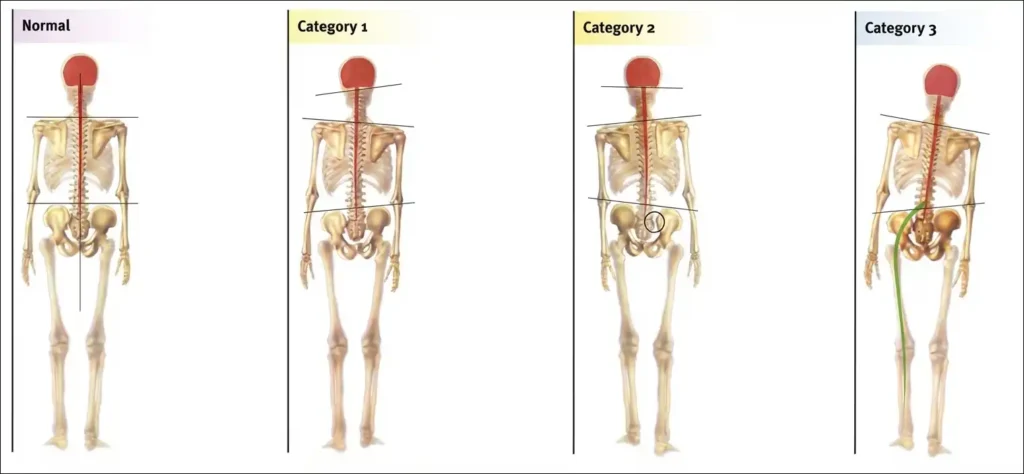
The Three Categories
Category One occurs when the joints at the base of the spine and pelvis move out of their normal position. This can cause the hips to twist and the base of the spine to tilt. When this area is not moving properly, it may affect posture, coordination, and how comfortably the lower back functions.
Category Two happens when the strong bands of tissue that hold the pelvic joints together become overstretched or strained. When this support is weakened, the pelvis can become unstable. This may affect overall balance and place stress on the spine, sometimes leading to discomfort in the lower back, shoulders, neck, or head.
Category Three involves the discs and nerves of the lower back. Discs sit between the bones of the spine and act as cushions, helping absorb shock and keep space open for nerves. If a disc becomes strained or irritated, it can reduce space around a nearby nerve, sometimes causing pain, weakness, or tingling.
Some key Diagnostic Terms
Modern healthcare is full of clinical jargon. Below are few terms you might hear thrown around. Talk to us to gain a great insight into these methods and their application.
-
Kinesiology Applied Kinesiology (AK) is a clinical assessment tool that uses manual muscle testing to evaluate how the body is functioning. It is based on the understanding that muscles are influenced not only by structural alignment, but also by the nervous system, emotional stress, and biochemical factors such as nutrition.
-
Arm Fossa Test The Arm Fossa Test is a gentle assessment technique commonly used in applied kinesiology and mind–body based care. It involves light contact over the inner elbow region (the antecubital fossa) while observing changes in muscle response or body tension.
-
Occipital Fiber Analysis Occipital Fibre Analysis is an assessment technique used within Sacro-Occipital Technique (SOT) to evaluate tension patterns at the base of the skull (occiput). The occipital region plays a key role in nervous system function, as it surrounds the brainstem and influences communication between the brain and body.
Our Team
Our expert team bring a wealth of experience, empathy, and dedication to every session. We try to create a supportive environment focused on helping you achieve lasting recovery, balance and a pain-free life.

Dr Peter Grant
Senior Practitioner
Dr Peter (Chiropractic) graduated from the School of Chiropractic at RMIT in 1991 and also holds a Bachelor of Applied Science in Chemistry. He has completed extensive postgraduate training in Sacro-Occipital Technique (SOT), Neuro Emotional Technique (NET), and holds a practising certificate in Mind–Body Medicine from Jefferson University (USA).
- Phone:+613 9699 6650
- Email:reception@domainmindbody.com

Madeleine
Chiropractic Assistant
Guided by seven years of experience at Domain Mind Body, Maddy is a familiar and trusted face within the clinic. As our Chiropractic Assistant, she supports both Peter and patients to ensure each visit feels seamless, welcoming and calm.
- Phone:+613 9699 6650
- Email:reception@domainmindbody.com

Margret
Practice Manager
As Practice Manager at Domain Mind Body, Margaret ensures every part of your experience runs seamlessly, from your first enquiry to your final visit. She supports both our practitioners and patients to create a calm, welcoming environment.
- Phone:+613 9699 6650
- Email:reception@domainmindbody.com
Questions about Appointments
Have questions about scheduling or what to expect? Here are answers to common inquiries to help you feel fully prepared.
To schedule an appointment at Domain Mind Body (DMB), complete the enquiry form on our website, send us a direct message on social media, or email us directly. You can also call our telephone number to speak with us about your needs and arrange a suitable time for your initial session.
To prepare for your appointment at Domain Mind Body, take time to consider your goals and any challenges you’re currently facing. Reflect on what you’d like to improve physically, mentally, or emotionally. Wear comfortable clothing if movement is involved and bring water if needed. Arrive a few minutes early to relax and settle in. Most importantly, come with an open and honest mindset so we can tailor the session to best support your wellbeing.
Yes, you can cancel or reschedule your appointment at Domain Mind Body. We kindly require at least 24 hours’ notice for any changes. Cancellations or rescheduling requests made with less than 24 hours’ notice may incur a cancellation fee. Please contact us by telephone, email, or message as soon as possible.
You can get to Domain Mind Body several ways.
If coming by car there is street paid parking available along St Kilda Road and there are commercial parking options nearby in CBD car parks or local secure parking buildings. Be sure to allow extra time to find a suitable parking space, particularly during peak hours.
If coming by Public transport our location on St Kilda Road is well-served by Melbourne trams, trains and buses. The closest major stop is Anzac Station / tram interchange on St Kilda Rd, just a short walk away. This stop connects multiple tram routes along St Kilda Road, making it easy to reach by tram from across the city and suburbs. You can also use nearby bus routes and the new Anzac railway station (underground) for trains connecting from other parts of Melbourne.